Fabric
VisualOps TruthBook by KBlend
Patient invitation path: set up your KBlend portal, then enter TruthBook.
TruthBook by KBlend

Stop Scrolling. Start Living.

Move from isolation to belonging, from survival to purpose, and from receiving support to providing support.
TruthBook is the safe place behind the paywall: a threshold between us and the world where masks can come down, trust can grow, and intimacy can become part of healing.
EO
Story builder

I want my pain to become a story that helps someone else know they are not alone.

91%story fit

If you feel alone, numb, ashamed, scared to ask for help, or unsure whether your pain can mean anything, Estacia's story may give you language before you have confidence. This profile is also an invitation to help her build the book: read a chapter, watch a clip, leave a staff-reviewed comment, and help shape the words that could reach the next person.

Support styleYou have felt like your pain separated you from everyone else.
Available forDraft proposal: profile access requests and chapter comments only at first; no direct peer introductions until staff approves a safe role.
Best first moveYou have felt like your pain separated you from everyone else.
Survival mode since childhoodDepression and anxietyTrauma and family woundsFeeling alone and misunderstoodLearning to trust help
I spent a long time surviving instead of living. Sharing my story still feels uncomfortable, because I am learning to be seen, to hear my own voice, and to believe that the things I went through can become useful. I am writing a book because I want people to know they are not the only one who feels this way. If my pain had a purpose, I want that purpose to be helping someone else find the next step.

Peer support only. Estacia does not diagnose, prescribe, replace clinical care, manage crisis situations, promise outcomes, or provide crisis counseling. Chapter comments and profile access should be staff-reviewed before visibility or direct contact.
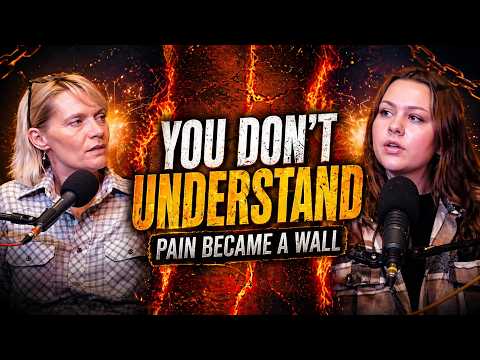
Start the conversation

social prompt

What part of Estacia's story sounds closest to what you are carrying?

Try this openerI feel alone in my own head
Try this openerI want my pain to have purpose
Try this openerI am scared to be seen
Try this openerI want to help build the book

Why people may choose Estacia

I know what it is like to feel alone even when people are around.
I know what it is like to believe help will not understand you.
I am learning to turn the things I survived into words that can help someone else.
I want my story to become a bridge for people who are scared to be honest.

Good fit

You have felt like your pain separated you from everyone else.
You want to ask for help but do not know how to trust it yet.
You are scared to tell the truth because being seen feels unreal.
You want to help shape a real recovery book by commenting on chapters as they are built.
You need a human story before treatment, community, or faith language feels believable.

Connection signals

See my fit
I feel alone in my own head
Estacia's profile should speak to people who thought they were the only one who felt or thought this way.
I want my pain to have purpose
Her book-building path gives pain a concrete service direction without forcing public exposure too early.
I am scared to be seen
Her clips name the fear of camera, social media, and hearing her own voice.
I want to help build the book
Members can request access, comment on chapters, and contribute questions that make the story clearer.

Stories near this road

More stories

Estacia is one voice in a wider KBlend community. These stories help people recognize the road before they are ready to describe it themselves.

Baylee
Faith, purpose, and healing

Baylee

Baylee helps broaden Estacia's profile from pain into future purpose and calling.

Watch story
Sam
Personal change and renewed hope

Sam

Sam gives another recognition point for people who need a warm testimony before they can trust next steps.

Watch story
Easton
Hopelessness, family, and rebuilding

Easton

Easton connects Estacia's book-building profile to the wider TruthBook mentor path.

Watch story

First steps

Start
Watch one chapter clip and choose the sentence that sounds familiar.
Request profile access so staff can keep the discussion protected.
Read the draft chapter tied to that clip.
Leave a comment, question, or story reflection that could help Estacia make the chapter clearer.
Let KBlend staff decide whether Estacia, another mentor, a chapter group, or a clinical next step fits.

If Your Pain Had a Purpose

book builder

A TruthBook story about surviving, being seen, and learning to help the next person

Foreword

Foreword

draft
Photo or video slot
Author photo
Warm, grounded portrait. Not overly polished.

Why this book matters before it is polished.

Why this chapter matters
The reader is allowed to meet Estacia honestly, before every sentence is polished.

Estacia's story is not powerful because it is tidy. It is powerful because she is still learning how to tell it.

Some people can only speak about pain after they have turned it into a lesson, a brand, or a clean before-and-after story. Estacia is different. She is close enough to the truth that the words still shake a little. She is honest about the fear of being seen, the discomfort of hearing her own voice, and the strange feeling of becoming someone she once could not imagine being.

That is why this book matters before it is polished. A polished story can impress people. A living story can reach people while they are still trying to survive.

This book is not about performing recovery. It is about learning to live after survival became normal. It is about the slow work of trusting help, accepting care, noticing ordinary things again, and asking whether pain can become useful without becoming a spectacle.

TruthBook exists for stories like this: stories that are still becoming, stories that invite a protected community to help the words get clearer, stories that can become a doorway for the next person. The purpose is not to turn Estacia into content. The purpose is to help Estacia shape her own words in a room safe enough for honesty, review, and care.

Read these chapters as drafts of courage. Watch the clips. Leave the question you wish someone had answered for you. Help the story become useful without taking it away from the person who lived it.

Introduction

I Did Not Always Think I Would Make It This Far

draft
Writing/photo slot
Notebook, laptop, or quiet writing setup.

The book begins with becoming visible before feeling ready.

Why this chapter matters
The book is not finished because Estacia is still becoming; readers are invited into a protected drafting process.

I did not always think I would make it this far.

For a long time, I was not really living my life. I was surviving it. I learned how to shut off, how to disconnect, and how to stay in the box that felt familiar even when it was hurting me. I did not always have words for what was happening inside me. I just knew I felt different, alone, and tired of trying to explain something I barely understood myself.

When survival becomes normal, it can start to feel like your personality. You tell yourself, This is just how I am. You get used to bracing. You get used to expecting things to go wrong. You get used to hiding the parts of you that feel too heavy for other people. After a while, even help can feel threatening because help asks you to come out of the hiding place that kept you alive.

Now I am doing things I never imagined I would do. I am talking on camera. I am sharing real thoughts. I am letting people hear my voice. I am writing a book. Sometimes I say that sentence and it still does not feel real. Part of me wants to laugh because it sounds like something that belongs to someone else. Another part of me knows this is exactly why I need to write it.

I am not writing because I have everything figured out. I am writing because I know what it feels like to need one person to say, You are not the only one. I know what it feels like to wonder if your mind is broken, if your pain is too much, if your story would make people leave. I also know what it feels like to begin finding language, support, and small reasons to stay present.

This book is not finished. In some ways, that is the point. I am learning how to tell the truth without disappearing. I am learning that the message matters more than my fear of being the messenger. I am learning that a story does not have to be perfect before it can help someone.

If you have ever wondered whether your pain had a purpose, this is for you. If you have ever felt alone in your own mind, this is for you. If you have ever wanted help but did not believe anyone would understand, this is for you.

I cannot promise that my words will answer everything. I can only offer the truth I am learning: pain can become language, language can become help, and help can become purpose.

Chapter 1

If Your Pain Had a Purpose

draft
Chapter image
Simple image that feels like a bridge, doorway, or quiet road.

Pain becomes meaningful when it helps someone else find language.

Why this chapter matters
Purpose does not make the pain good; purpose means the pain may become a bridge for someone else.

I used to think pain was just something that happened to me. It felt private, heavy, and hard to explain. I could be around people and still feel like I was living behind glass. I could hear conversations, watch life moving, and know I was supposed to be part of it, but inside I felt separate.

One of the loneliest parts was not knowing how to describe what was wrong. When you do not have words for your own pain, it is easy to believe no one else could understand it. You start to think maybe you are the only one who thinks this way. Maybe you are too much. Maybe the things happening in your mind would scare people if they knew.

That kind of loneliness teaches you to hide. You learn how to answer normal questions without telling the truth. You learn how to say you are fine because explaining would take more energy than you have. You learn how to carry things by yourself because carrying them alone feels safer than being misunderstood.

The first truth I want someone to hear is this: you are not alone. Not in the shallow way people say it when they do not know what else to say. I mean it in the real way. Other people have felt things they could not describe. Other people have wondered why their mind works the way it works. Other people have carried pain so long that survival started to feel like their identity.

I am beginning to believe pain can have purpose when it becomes a bridge. That does not mean the pain was good. It does not mean everything had to happen. It does not mean we should turn suffering into something pretty so people feel more comfortable looking at it.

Purpose means something different to me now. It means maybe my story can reach someone before they disappear into their own head. Maybe my words can help someone say, That is what I have been feeling. Maybe the thing I thought made me alone can become the thing that helps me sit beside someone else.

I do not want this chapter to pretend pain is simple. Pain can make people bitter, numb, angry, afraid, and tired. But pain can also become language. Language can become connection. Connection can become a first step toward help.

If my pain has any purpose, I want it to be this: that someone who feels alone can borrow my words until they find their own.

How to help
What sentence would have helped you when you first felt alone?
Chapter 2

The Fear of Being Seen

draft
Optional before/now media
Only use if Estacia chooses it. Do not force vulnerability as proof.

Changing can feel fake when hiding used to feel safe.

Why this chapter matters
Feeling uncomfortable while being seen does not prove she is fake; it may prove she is changing.

Sharing my story does not feel natural yet. Hearing myself talk, seeing myself on camera, using social media, and writing a book all feel uncomfortable. Sometimes I watch myself and think, Who is that? Sometimes I hear my own words and want to pull them back before anyone else can hear them.

Part of me still wants to return to the version of myself that stayed hidden. Hidden felt safer. Hidden did not have to explain. Hidden did not have to risk being misunderstood. Hidden did not have to wonder whether people were judging every word, every expression, every detail.

I have called it imposter syndrome, but it is more than that. It is the old routine trying to pull me back. It is the part of me that learned visibility could be dangerous. It is the belief that if I do something brave, meaningful, or public, then maybe I am pretending to be someone I am not.

The strange thing about healing is that sometimes the new version of you feels less real than the old pain. Pain can become familiar. Hiding can become familiar. Even destructive patterns can feel like home if they are what you know. Then growth shows up and asks you to trust something unfamiliar.

That is why being seen can feel fake at first. Not because the new thing is false, but because the old thing had so much practice. I had practiced hiding. I had practiced shutting down. I had practiced expecting myself to stay small. I had not practiced being a person with a voice, a message, and something to offer.

Now I am learning that discomfort does not always mean danger. Sometimes discomfort means I am stepping outside the old box. Sometimes it means I am letting people see the person I used to protect by hiding. Sometimes it means I am becoming visible before I feel ready.

I want to be honest about that because I do not want someone else to think courage always feels confident. It does not. Sometimes courage feels awkward. Sometimes it feels like wanting to disappear but staying anyway. Sometimes it feels like pressing publish, showing up, or speaking one more sentence while your body is asking to run.

I am still afraid of being seen. But I am starting to believe the fear does not get the final say.

How to help
What does being seen make you afraid people will think?
Chapter 3

Learning to Love Myself Enough to Accept Help

draft
Support image
A safe place, supportive object, or grounding moment.

Help became possible when she cared what happened next.

Why this chapter matters
Sometimes you love yourself enough to accept help; sometimes accepting help teaches you that you are worth care.

For a long time, I did not care what happened to me the way I care now. I could put myself in situations I would not choose today because I did not respect myself. I did not know how to protect myself because I did not fully believe I was worth protecting.

That is hard to say, but it matters. People sometimes talk about getting help like it is a simple decision. Just call. Just go. Just ask. But when you do not believe your life is worth much, asking for help can feel impossible. You may know something is wrong and still not feel like you deserve the effort it would take to change.

I had to face the fact that familiar pain can feel easier than unfamiliar healing. Familiar pain has a pattern. You know where to stand. You know how to survive it. Healing asks different things from you. It asks you to show up. It asks you to be honest. It asks you to let people care when part of you does not know what to do with care.

Accepting help was not just about finding the right place. It was about finding enough care for myself to walk through the door and keep coming back. It was about letting someone see that I was not okay. It was about choosing not to abandon myself just because I had gotten used to doing that.

At first, help did not magically feel safe. I still had doubts. I still had old expectations. I still had the part of me that wanted to shut down or leave before anyone could disappoint me. But each time I stayed, I was practicing something new. I was practicing the belief that maybe my life mattered enough to keep trying.

The chapter I am still learning is this: sometimes you have to love yourself before you can accept help, but sometimes accepting help is how you learn to love yourself. Sometimes the first step is not a huge feeling of self-love. Sometimes it is a small decision: I will show up today. I will answer honestly. I will let someone help me take the next step.

I want this chapter to speak to the person who thinks they have to feel worthy before they can begin. Maybe you do not. Maybe beginning is how worth starts to become believable. Maybe one safe step can become the proof your mind has been missing.

I am not saying help is easy. I am saying I am grateful I did not wait until I felt fully ready to receive it.

How to help
What made you care enough to take one healthy step?
Chapter 4

Trust and the Mindset Shift

draft
Trust visual
Clinic-safe, non-clinical photo or calming transition image.

Trust was not a side issue. It was part of the treatment story.

Why this chapter matters
Trust is not automatic; it can grow through repeated experiences of safety, honesty, and being met differently.

I did not walk in trusting anyone. I had been to other places. I had tried to get help before. Part of me expected the same thing to happen again: I would explain myself, people would miss it, and I would leave feeling like maybe I was the problem.

When you have been disappointed by help, trust is not a small issue. It becomes part of the treatment story. Even when people are trying to help, your mind may still be waiting for the moment they prove they are not safe. You listen for the wrong tone. You watch for impatience. You prepare yourself to shut down before someone can hurt or misunderstand you again.

That was part of me too. I wanted help, but I did not want to need help. I wanted someone to understand, but I was afraid of what would happen if they really saw me. Trust meant letting go of some control, and control had been one of the ways I survived.

Then something started to shift. It was not one perfect sentence or one dramatic moment. It was a series of experiences that made me feel different. I started to recognize how much I had been suffering. I started to realize that being vulnerable and trusting help was not weakness. It was part of changing.

I still do not always know how to explain it. It felt like parts of my mind opened that had been shut down or hidden. I felt like myself, but also like a version of myself I had not known how to reach. I began to notice that my old expectations were not the only possible outcome.

Trust did not mean I stopped having fear. It meant I had enough evidence to take one more honest step. I could say a little more. I could stay a little longer. I could consider that maybe help did not have to repeat the past.

This matters because a lot of people think they are resistant when they are actually protecting themselves. They are not trying to be difficult. They are trying not to be hurt again. If that is you, I understand why trust feels complicated. I also want you to know trust can be rebuilt slowly, with the right boundaries and the right people.

For me, the mindset shift was not pretending everything was fine. It was realizing I did not have to keep living inside the same locked room in my mind.

How to help
What would make help feel trustworthy to you?
Chapter 5

Gratitude and the Small Things

draft
Small things gallery
Lake, family-safe image, food/water/shelter/gratitude photos.

Hope became visible in ordinary moments.

Why this chapter matters
Small things are not small when numbness, bracing, and fear have made ordinary life hard to receive.

One of the biggest changes is that I can be present. That may sound ordinary, but for me it is not ordinary. I can be with my family and not immediately wait for something bad to happen. I can notice a lake, food, water, birds, shelter, and the fact that I am here.

When you have spent a long time bracing, your body does not always know how to receive good moments. You can be in a safe place and still feel like danger is coming. You can be with people you love and still feel far away. You can look at something beautiful and not be able to let it reach you.

That is what numbness can steal. It does not only steal joy. It steals your ability to notice joy when it is standing right in front of you. It makes ordinary life feel distant. It makes simple gratitude feel unavailable, like a language other people speak but you cannot remember.

So when I say I can notice water, food, shelter, birds, family, or a quiet moment, I am not trying to sound poetic. I am naming evidence. These small things tell me something inside me is waking up. They tell me I am not only surviving the day. I am starting to live inside it.

I used to shut off good moments because good moments felt dangerous. If I let myself feel them, maybe losing them would hurt more. If I expected disappointment, maybe I could protect myself. But protecting myself that way also kept me from receiving what was actually good.

Now I am learning to stay. Stay with the moment. Stay with the people in front of me. Stay with the gratitude before my mind rushes ahead to fear. I am learning that presence is not always loud. Sometimes it is sitting near water and realizing I want to be there. Sometimes it is eating food and feeling thankful. Sometimes it is being with family and not needing to escape inside myself.

This chapter matters because hope does not always arrive as a breakthrough. Sometimes hope arrives as attention. You notice one thing. Then another. Then another. Slowly, the world becomes less flat. Slowly, life becomes something you can touch again.

If you are waiting for a huge sign that things can change, maybe start smaller. What can you notice today that your pain has not completely taken from you? What ordinary thing can become proof that you are still here?

How to help
What small thing would show you that hope is becoming real?
Chapter 6

Becoming a Voice for Someone Who Feels Alone

sensitive_review
Staff review note
No public image until clinical/support-context review.

This chapter needs staff review because it touches suicide, grief, guilt, and advocacy.

Why this chapter matters
She cannot change the past, but she can become a careful voice for someone who feels alone now.

Some stories are hard to tell because they still live in the body. This chapter belongs in the book, but it needs care. It touches grief, guilt, fear, and the kind of loneliness that can make a person believe there is no way out.

I do not want to write this chapter in a way that turns pain into shock. I do not want to use someone else's suffering as a scene. I do not want readers who are already hurting to feel more trapped. If this chapter is going to exist, it has to exist for protection, not performance.

What I can say is that I know what it is like to wonder whether the right words could have reached someone in time. I know what it is like to ask whether I should have noticed more, said more, done more. I know what it is like for grief to ask questions that do not have clean answers.

Those questions can become heavy. They can make a person feel responsible for things no one person could control. They can make love turn into guilt. They can make memory feel like a courtroom where you are always on trial.

I am still learning how to hold that without letting it destroy me. I cannot change the past. I cannot rewrite what happened. I cannot become responsible for every life that is hurting. But I can become someone who speaks carefully to the person who feels alone now.

If someone reading this feels like there is no other way, I want the chapter to slow the room down. I want it to say: do not stay alone with that thought. Let another human being into this moment. Let the next step be smaller than solving your whole life. Let the next step be telling someone safe the truth.

This chapter should also speak to supporters. Sometimes people do not need a lecture. They need someone to stay present without panic, without shame, without making their pain about the supporter's fear. They need someone willing to ask better questions and remain human with them.

I want to become a voice for someone who feels alone, but I want to do it with wisdom. I am not a replacement for crisis care, clinical support, family, or emergency help. I am a person with a story, learning how to use that story carefully.

Maybe that is enough for this chapter's first draft: I cannot save everyone, but I can refuse to let silence be the only thing someone hears.

How to help
What should this chapter say without making the pain unsafe for readers?
Commercial Spot

Pain Had a Purpose

draft

60-second radio/podcast spot.

Some stories should not be thrown into the noise of the internet.

They need a safer room. A place where people can tell the truth, ask better questions, and help each other take the next honest step.

That is why KBlend created TruthBook.

This week, during the show, we are opening a special signup promotion for listeners who want to help build Estacia's book and join the early TruthBook community.

Regular membership is only $25 monthly, and the paywall matters. It protects the room from the performance culture that turns pain into content and people into spectators.

Visit mykblend.com and sign up during the show.

How to help
Does this spot make you curious enough to visit mykblend.com?
Support Tool

Invite Support

needed
Photo or video slot

A protected tool where Estacia can enter contact information and invite trusted people into her journey.

This block should become a real invitation form with supporter name, email, phone, role, relationship, and purpose. Invitations should be reviewed or logged before sending.

How to help
Who should be invited, and what role should they be asked to play?

If Your Pain Had a Purpose

draft_for_owner_and_staff_review

A TruthBook story about surviving, being seen, and learning to help the next person

Access and chapter comments are staff-reviewed before visibility.

Contribute to a chapter

staff review
Comments do not publish automatically.

Other people near this road

Browse all
Writing the book feels unreal Chapter zero: the fear of being seen
If your pain had a purpose Book introduction and chapter one anchor
Learning to love myself enough to accept help Chapter two anchor
Trust and the mindset shift Chapter three anchor
Gratitude and the small things Chapter four anchor and hope proof
Advocating for people who feel alone Sensitive chapter and staff-reviewed advocacy clip
Find my people Match by road, role, boundary, and next step. Invite support Give family and friends a helpful role. Build helper profile Become known safely before appearing in matching. Set up profile Who I am, what I survived, and what I am building. Read circles Start with honest rooms, not a noisy feed.